Overclash: A Bold Script Font for Web Headers
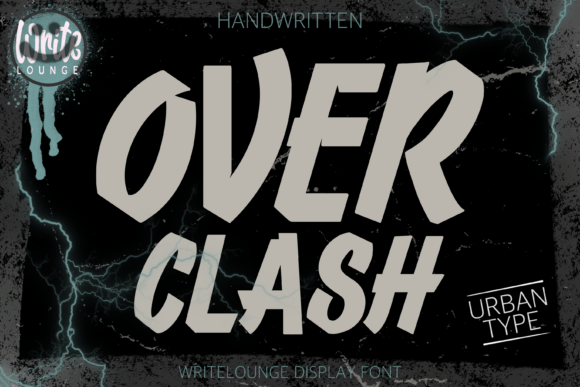
When integrating Overclash into a modern web stack, designers immediately notice how this Script Handwritten typeface cuts through the noise of standard digital layouts. Unlike sterile geometric sans serifs that dominate SaaS interfaces, Overclash brings a dynamic, hand-drawn energy that mimics the raw strokes of urban street art and expressive calligraphy. For UI designers and product creators, selecting the right Fonts is not just about aesthetics; it is about establishing an immediate emotional connection with the user. This specific typeface offers a rebellious style that works exceptionally well for brands looking to disrupt their niche, providing powerful strokes that demand attention in hero sections and landing page headers.
Using Overclash to Build Visual Hierarchy in Hero Sections
Incorporating Overclash as a primary display font allows web designers to create a distinct visual hierarchy that guides the user's eye instantly. As a Script Handwritten asset, it possesses a high x-height and thick contrast that ensures legibility even at large sizes on desktop monitors. When building conversion-focused layouts, the goal is to stop the scroll, and few Fonts achieve this better than a typeface inspired by graffiti culture. The irregular baseline and varying stroke widths of Overclash prevent the "banner blindness" users often develop against uniform corporate typography. By placing this font in the H1 position of a landing page, you signal creativity and confidence, setting a tone that suggests the brand behind the screen is bold and unafraid to stand out.
Optimizing Overclash for Mobile Responsiveness and Touch Targets
While Overclash shines in large formats, adapting this Script Handwritten style for mobile screens requires careful attention to spacing and scale. Digital product creators must ensure that the intricate details of the brush strokes do not blur on smaller viewports or low-resolution displays. When using Fonts with such character, it is crucial to increase line height and letter spacing slightly on mobile breakpoints to maintain readability. For navigation menus or hamburger icons, Overclash might be too decorative, but it serves perfectly for mobile hero headlines or promotional banners within an app interface. The key is to treat it as a display element rather than body copy, ensuring that the raw energy of the typeface translates clearly whether the user is on a 4K monitor or a smartphone.
Pairing Overclash with Sans Serif Fonts for Balanced Layouts
To maximize the utility of Overclash in a professional web environment, pairing it with a clean, neutral Script Handwritten counterpart is essential for maintaining balance. Since Overclash carries so much visual weight and personality, it pairs beautifully with simple sans serif Fonts for body text and secondary information. This combination creates a sophisticated tension: the headline screams with urban flair while the supporting text remains easy to scan and read. For example, on a coaching website or a creative portfolio, using Overclash for section titles and a geometric sans serif for paragraphs ensures that the site feels approachable yet structured. This strategy prevents the design from feeling chaotic, allowing the rebellious style of the header to act as an accent rather than overwhelming the entire user experience.
Leveraging Overclash for Brand Identity in Online Stores
E-commerce owners can utilize Overclash to inject personality into product pages and promotional banners, distinguishing their shop from generic templates. In the context of an online store, this Script Handwritten font works wonders for limited-time offer badges, sale headers, or category dividers. When customers browse through rows of products, seeing Fonts that mimic hand-painted signs can evoke a sense of authenticity and artisanal quality. Whether selling streetwear, handmade crafts, or digital courses, applying Overclash to key conversion elements like "Add to Cart" buttons or testimonial quotes can increase engagement. The font's ability to convey raw energy makes it particularly effective for brands targeting younger demographics or those positioning themselves as alternatives to mainstream corporate offerings.
Enhancing User Engagement with Expressive Calligraphy Styles
The psychological impact of Overclash extends beyond mere decoration; it actively influences how users perceive brand trust and innovation. By choosing a typeface rooted in expressive calligraphy and urban art, designers signal that their digital product is human-centric and alive. Standard system Fonts often feel cold and distant, whereas Overclash invites the user into a more intimate dialogue. This is particularly valuable for personal brands, influencers, and agencies where the founder's voice is the product. When used in blog graphics or social media assets embedded within a site, this Script Handwritten style encourages sharing and interaction. The unique ligatures and alternate characters available in many premium versions of such fonts allow for custom logos and monograms that reinforce a consistent online identity across all touchpoints.
Technical Considerations for Webfont Implementation
Before deploying Overclash live, developers and designers must verify the included file formats and webfont licensing terms to ensure seamless performance. High-quality Script Handwritten files often come in variable formats or multiple weights, which can optimize loading times if managed correctly via CSS font-display properties. When integrating these Fonts, it is vital to check for multilingual support if the target audience is global, ensuring that special characters render with the same powerful strokes as the standard Latin alphabet. Furthermore, understanding the commercial license is critical for client projects; usage rights for websites, apps, and digital ads differ from print licenses. Proper implementation ensures that the dynamic nature of Overclash enhances the site speed and accessibility, delivering the intended rebellious style without compromising the technical stability of the web experience.